Canal Top & Floating Solar Structure
Steel mounting for canal-top and floating solar — generating clean power over water while saving land and reducing evaporation, engineered for long spans, pontoons and corrosion-resistant service.
- 0
- Land used
- Higher
- Module efficiency
- 25+ yrs
- Service life
Clean power, on the water
What is a Canal Top & Floating Solar Structure?
These are engineered steel mounting systems that place PV modules over water — spanning irrigation canals or floating on reservoirs, lakes and dams. ENSOL fabricates both in corrosion-resistant galvanised steel, so utilities generate clean power on water without consuming land.
Why mount solar over water
Land is scarce and valuable. Mounting over canals and reservoirs frees land entirely, shades the water to cut evaporation, and keeps the panels cooler — which lifts their efficiency. It is a high-impact way to add capacity where land acquisition is hard.
Advantages
Land saving, water-evaporation reduction, higher module efficiency from water cooling, marine-grade corrosion protection, and a stable hydrodynamic design engineered for the specific water body.
Working principle
Canal-top structures use long clear-span trusses to carry the array across a channel. Floating structures use buoyant pontoon floats, moored to the bank or bed by an anchoring system that holds the array steady through water-level changes, wind and waves.
Industry applications
Irrigation canals, reservoirs, lakes, dam waters, water-treatment basins and industrial cooling ponds — for utilities, irrigation departments, EPCs and developers.
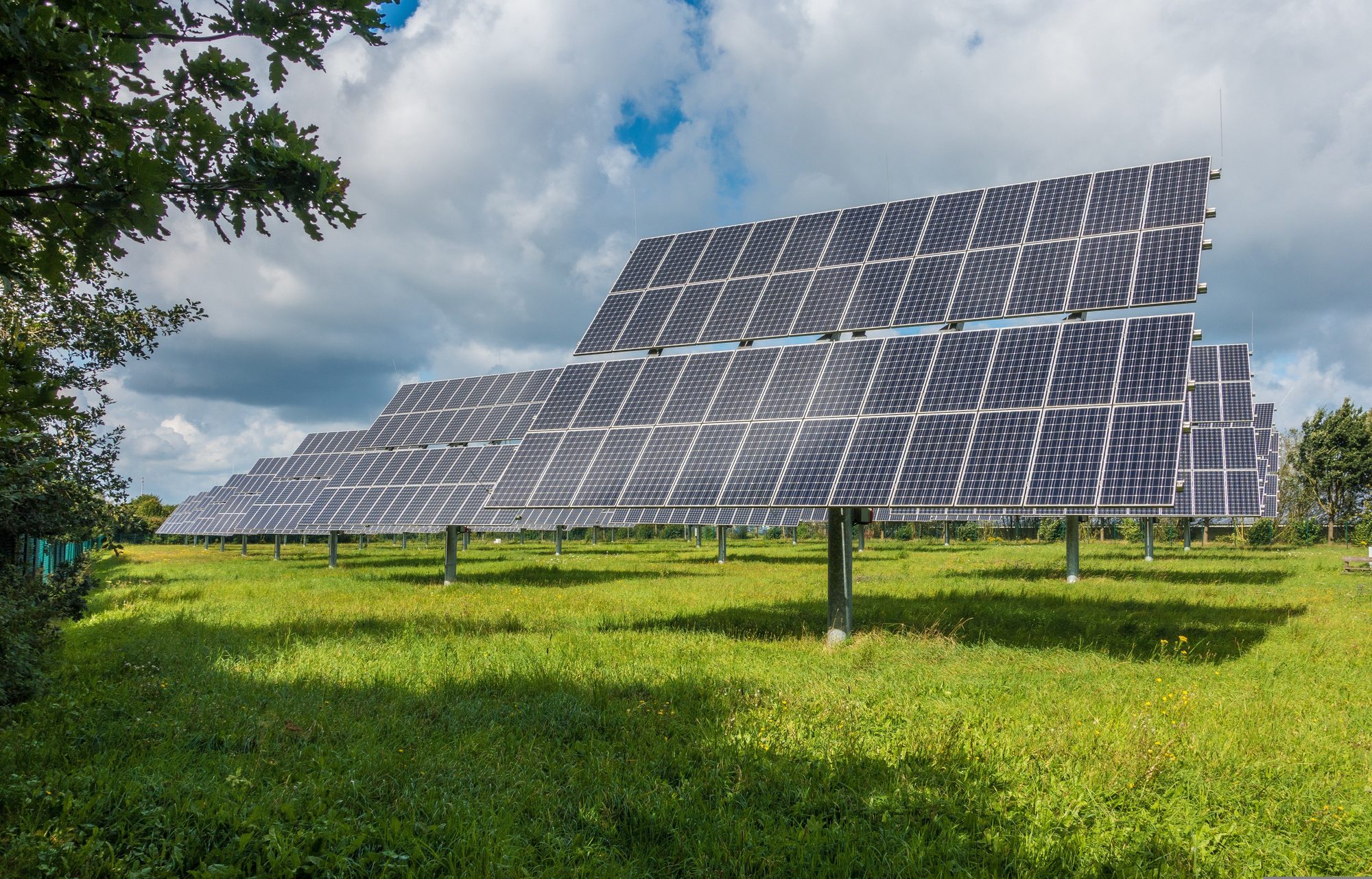
Power over the canal, land left free
Long-span steel trusses cross irrigation canals to mount arrays directly over the water — generating on infrastructure you already own, while shading the channel to save water.
- Generates power over existing canals — zero extra land
- Shades the channel to cut evaporation
- Long clear-span trusses cross without mid-supports
- Proven for state irrigation & canal-solar schemes
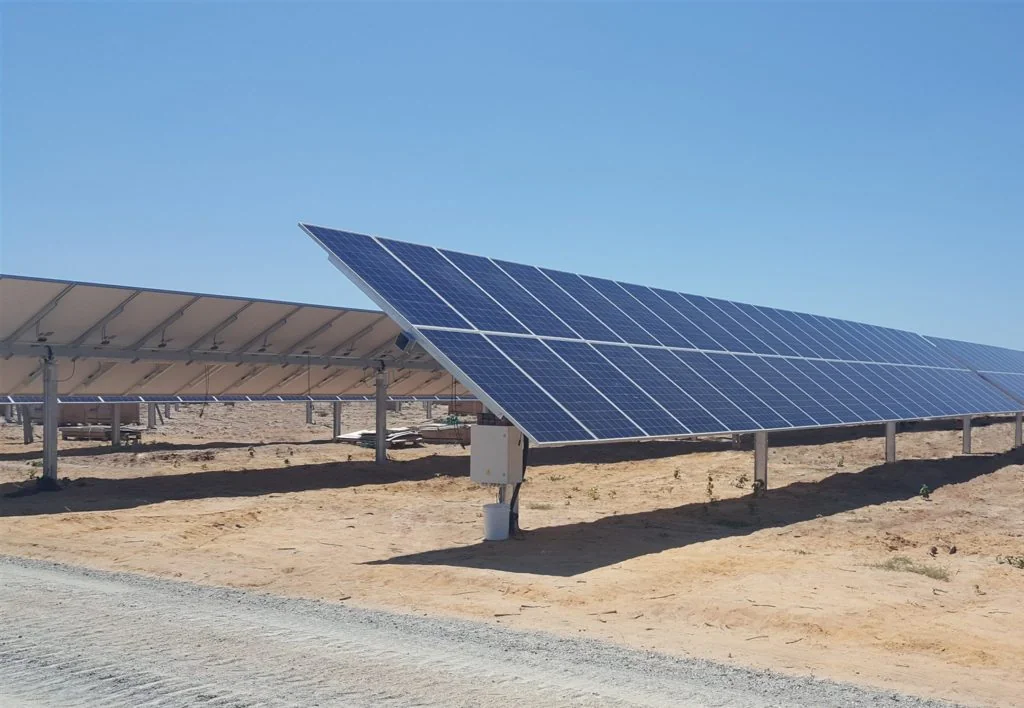
Float the array, lift the yield
Modular pontoons carry PV arrays on reservoirs, lakes and dam waters — anchored, corrosion-protected and cooled by the water beneath for higher generation.
- Modular pontoon float system on the water surface
- Bank / bed anchoring & mooring holds it steady
- Reservoirs, lakes and dam waters
- Water cooling lifts module efficiency
- Marine-grade corrosion protection
- Hydrodynamic design for waves & level change
Two ways to generate over water
| Attribute | Canal Top | Floating |
|---|---|---|
| Water body | Irrigation canals | Reservoirs, lakes, dams |
| Structure | Clear-span steel truss | Buoyant pontoon floats |
| Support | Banks on either side | Anchoring & mooring system |
| Land used | None | None |
| Evaporation | Reduced over channel | Reduced over water body |
| Cooling benefit | Moderate | High |
| Best for | Canal networks | Large water surfaces |
Built for water, gentle on it
Anchoring System
Bank / bed anchors and mooring lines hold floating arrays steady through wind, waves and level change.
Float System
Modular buoyant pontoons carry the array and walkways with reliable, serviceable buoyancy.
Hydrodynamic Design
Layouts shaped to handle waves, currents and water-level variation with stability.
Corrosion Protection
Hot-dip galvanised, marine-grade detailing for sustained water exposure.
Water Evaporation Reduction
Shading the surface measurably cuts evaporation from canals and reservoirs.
Land Saving
Generation on water frees valuable land for other productive uses.
Higher Module Efficiency
Cooler modules over water generate more than land-based arrays.
At a glance
Specification sheet
| Material | Structural steel — MS / GI / hot-dip galvanised sections |
|---|---|
| Steel Grade | IS 2062 E250 / E350 (project-specific) |
| Coating | Hot-dip galvanised; marine-grade GSM |
| Structure Type | Canal-top trussed span / floating pontoon |
| Span | Long clear span (canal-width specific) |
| Float System | Modular HDPE / steel-framed pontoons |
| Anchoring | Bank / bed anchoring & mooring (floating) |
| Wind Resistance | Site-specific per IS 875 (Part 3) |
| Design Standard | IS 800, IS 875, IS 4759 |
| Fasteners | HDG / SS bolts, 4.6–8.8 grade |
| Service Life | 25+ years (coating & environment dependent) |
| Warranty | Up to 25 years on hot-dip galvanised builds |
Specifications are indicative and customised per project requirement and site conditions.
Where it's used
Irrigation Canals
Power over state irrigation channels.
Reservoirs
High-capacity floating arrays.
Lakes & Ponds
Lakes converted to generation surfaces.
Dam Projects
Hydro reservoirs with floating PV.
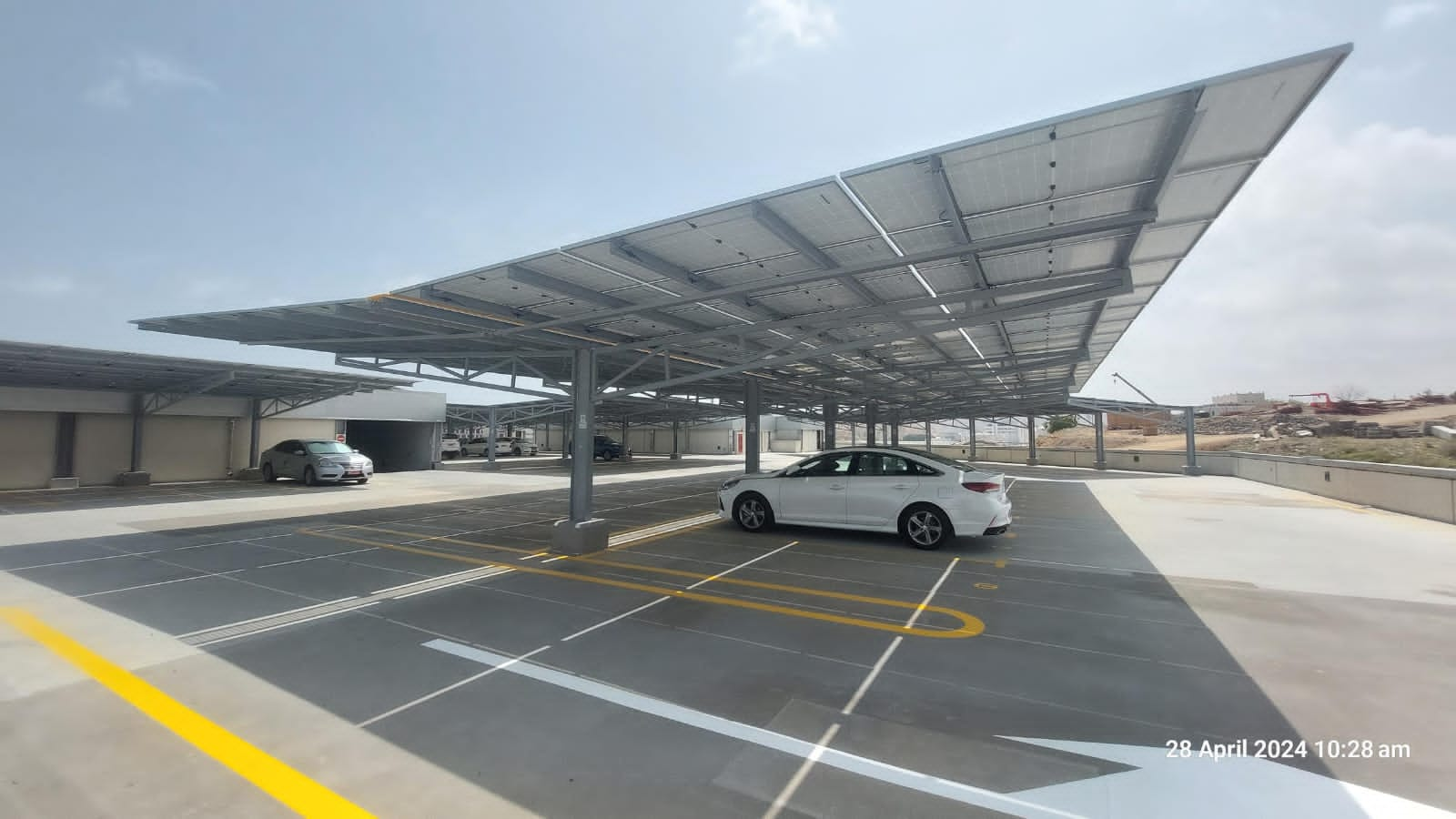
Water Treatment Plants
Basins hosting solar above water.
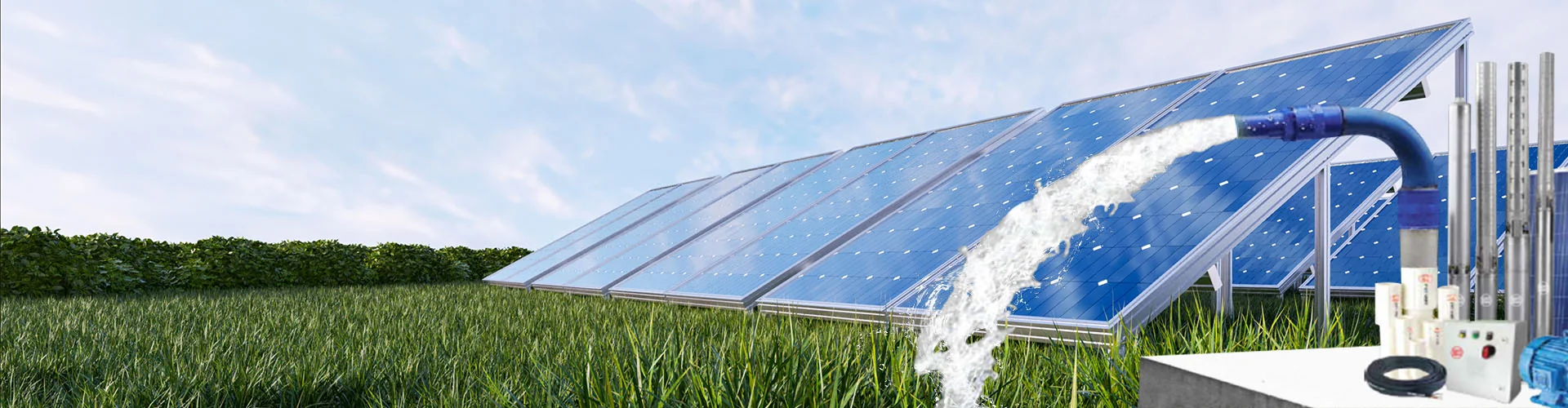
Government Schemes
State canal & floating-solar projects.
Utility-Scale Parks
Large water-based solar parks.
Industrial Reservoirs
Captive plant & cooling ponds.
A manufacturer you can build on
In-house Manufacturing
Fabrication and galvanising under one ISO 9001 system in Raipur.
ISI Grade Steel
Quality structural steel to IS standards, fully traceable.
Precision Engineering
Spans, floats and anchoring sized to the water body.
Marine Galvanization
Hot-dip, marine-grade coating for long water exposure.
Custom Spans & Floats
Engineered to your canal or reservoir.
Fast Delivery
Integrated facility keeps lead times short.
Experienced Team
Four decades of heavy steel fabrication.
Installation Support
On-site guidance for launch and anchoring.
From drawing to launch
A streamlined production line — fabricated, galvanised and water-ready under one roof.
Design & Hydro Analysis
Span / pontoon layout with buoyancy, load and wind validation.
Material Selection
IS-grade steel verified against mill test certificates.
Fabrication
Span trusses / pontoon frames fabricated to drawing.
Welding (NDT)
Certified welding of joints with non-destructive testing.
Marine Galvanization
Marine-grade hot-dip galvanising per IS 4759.
Float & Anchor Assembly
Pontoons, mooring and anchoring sub-assemblies built.
Quality Inspection
Dimensional, buoyancy and coating verification.
Dispatch & Installation
Shipped, launched and anchored with on-site support.
Scroll horizontally to follow the process →
Why it pays off
Saves Valuable Land
Generation over water frees land for other uses.
Reduces Evaporation
Shaded water loses far less to evaporation.
Higher Efficiency
Water cooling keeps panels productive.
Corrosion Protection
Marine-grade galvanising resists water exposure.
Stable in Water
Hydrodynamic design and anchoring keep it steady.
Wind Resistant
Designed and checked per IS 875.
Long Service Life
25+ years of dependable performance.
Scalable & Modular
From small canals to utility reservoirs.
Water solar, answered
Common questions from utilities, irrigation departments, EPCs and developers.
It is a trussed steel structure that spans an irrigation canal to mount solar panels over the water, generating power without using land and shading the channel to cut evaporation.
It is a modular pontoon-based mounting system that floats PV arrays on reservoirs, lakes and dam waters, anchored to the bank or bed, with corrosion-resistant galvanised steel framing.
Canal-top structures bridge a narrow channel and rest on the banks; floating structures sit on buoyant pontoons over open water and are held by an anchoring and mooring system.
Both systems use existing water surfaces — canals or reservoirs — so no land is consumed for the array, freeing valuable land for agriculture or other uses.
Yes. Shading the water surface measurably reduces evaporation, which is especially valuable for irrigation canals and storage reservoirs.
Water keeps the modules cooler than land-based arrays, and since PV efficiency falls as panels heat up, the cooling effect lifts overall generation.
An anchoring and mooring system fixed to the bank or bed holds the pontoon array steady through wind, waves and changing water levels.
Modular HDPE or steel-framed pontoons provide buoyancy for the array and walkways, engineered for the water body and load.
They use hot-dip galvanised, marine-grade steel detailing per IS 4759, engineered specifically for sustained water exposure and humidity.
It means the layout and anchoring are shaped to handle waves, currents and water-level variation so the array stays stable and safe.
Irrigation canals, reservoirs, lakes, ponds, dam waters, water-treatment basins and industrial cooling reservoirs — sized to the site.
Yes. Structures ship marked and documented, and ENSOL provides on-site guidance for assembly, launch and anchoring over water.
Generate Solar Over Water with ENSOL
Share your canal width or water body and capacity — our engineering team responds with a tailored design, drawings and pricing. +91 99772 66990 · business@powerensol.com